Colonoscopy
What is a colonoscopy?
A flexible tube is used to examine the colon and rectum’s interior lining. Biopsies are also possible using this technology.
If you have symptoms that point to a problem with the colon or rectum, your doctor may propose that you have a colonoscopy. Bleeding, changes in bowel habits and other unexplained stomach problems are also possible signs.
For people with IBD or polyps, a colonoscopy may also be performed to check their condition and for those with a history of colon cancer or polyps.
Procedure
Before a colonoscopy, the gut must be completely cleansed. Either the day before or the morning of your colonoscopy, this procedure is carried out. To get rid of all the waste, you’ll need to take a diarrhoea-inducing drug.
Colonoscopies are performed by inserting a colonoscope into the small intestine through an anus incision. If required, your doctor will perform polyp removal or biopsies.
For the most part, the entire process is completed within 15 minutes or less. Although modest sedation is used to alleviate anxiety and discomfort, there is minimal pain. The majority of patients are able to resume their normal food at some point throughout the day.
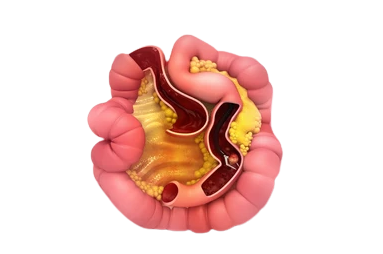
Anatomy of the Colon
After the stomach and intestines, your digestive system ends with the colon. It is capable of absorbing water and converting liquid waste into solid faeces. Adults’ big intestines measure roughly 5 feet in length. Sections include the following:
- The ascending colon is located on the right side of your abdomen.
- The transverse colon extends from the ascending colon to the left side of your body.
- To descend, you need to stretch your left side from the transverse colon to your elbow.
- This is the sigmoid colon, which extends from the descending colon to your lower rectum.
The anus, the hole via which faeces leave your body, is connected to the rectum by the rectum.
What's the point of a colonoscopy for me?
Colorectal cancer screenings such as colonoscopies are doubly preventive since they do more than only identify the disease at an early stage. Detecting and eliminating any pre-cancerous polyps, the abnormal growths that are the precursors of colorectal cancer may help avoid the illness.
It is also used to identify Crohn’s disease and ulcerative colitis, as well as to establish the reason for symptoms such as rectal bleeding, changes in bowel activity as well as stomach discomfort and unexplained weight loss.
During a colonoscopy, your healthcare practitioner may examine for any issues with your digestive system. Cancer-related symptoms such as redness, swelling, and the bleeding should be suspected in the early stages of a disease.
Screening for Cancer
Colon and rectal cancers are also detected during colonoscopy. Individuals who have no signs or symptoms of cancer are subjected to screening exams in an effort to detect the illness early on.
It is possible to perform a colonoscopy following cancer therapy to examine the colon.
Identifying and treating problems
In certain cases, a colonoscopy may be used to diagnose and/or treat issues such as:
- Polyps in the colon
- Tumours/Ulcerations
- Inflammation
- The colon’s wall is lined with pouches called diverticula.
- The colon’s narrowed regions (strictures)
- The colon should be free of any things.
Additionally, it may be utilised to determine the root cause of long-term diarrhoea or bleeding in the GI tract.