Dr. N. Suresh Khanna
Consultant General Surgeon (Colorectal Surgery)
We provide a comprehensive range of services for the management
of all colorectal conditions.
We provide high quality and reliable surgical care
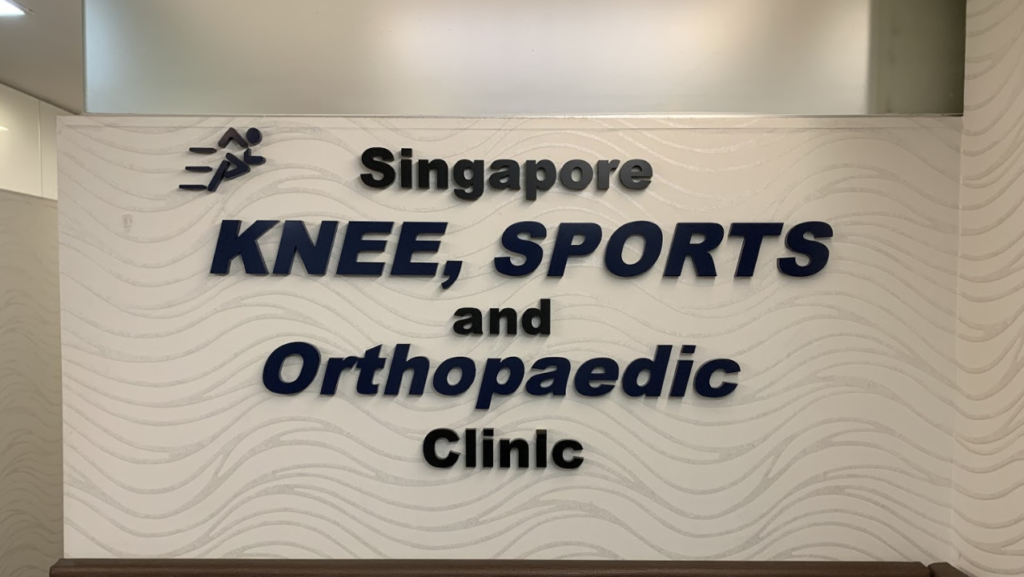
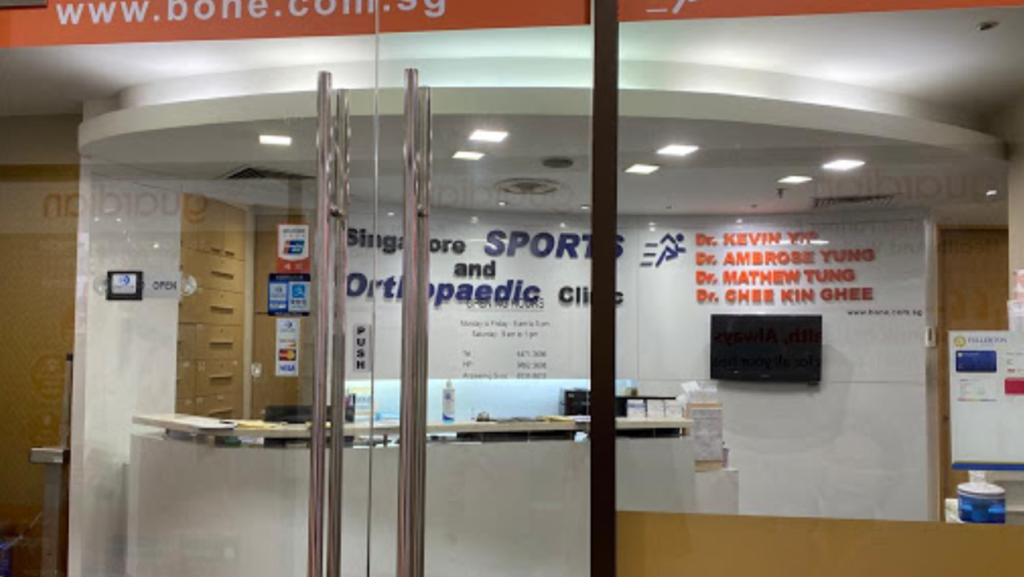
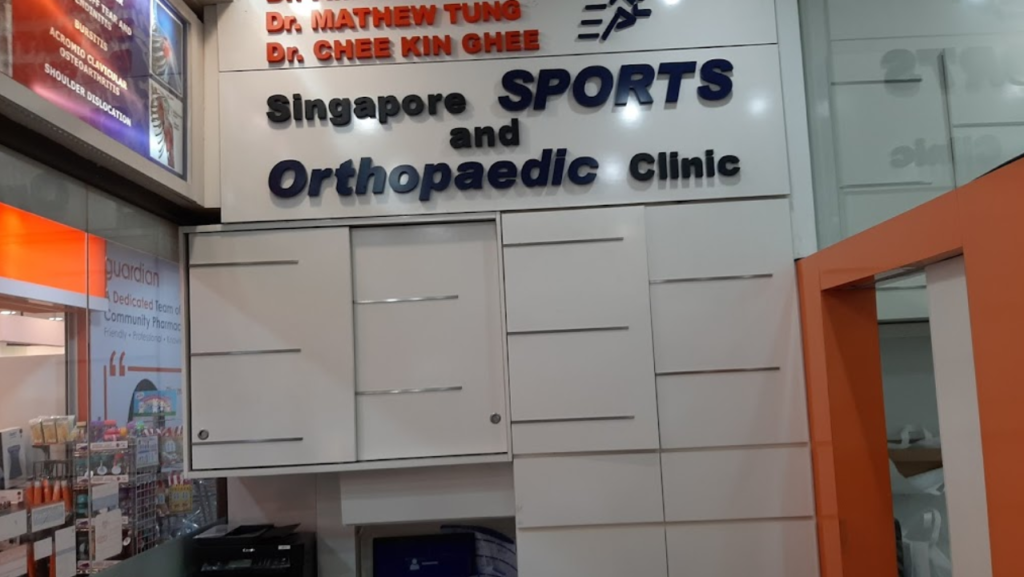
— is a specialist-led surgical service in Singapore. We provide high quality and reliable surgical care, in partnership with the Singapore Sports and Orthopaedic Clinic (SSOC) and the Advance Surgical Group.
Our motto is to provide holistic management of surgical conditions that is easy to access and is state-of-the-art. Our doctors are highly experienced and are leaders in their own field and are easily approachable. We will cater our services to local and international patients as well.

Dr. NSK
Specialist Consultant General Surgeon
Dr. N. Suresh Khanna
Consultant General Surgeon (Colorectal Surgery)
- MBBS (Madras)
- MRCS Edin (Surg)
- M.Med (Surg) (NUS)
- FRCS Edin (Surg)
- FAMS (Surg)
- MS Surg (Stanley)
Dr. Natarajan Suresh Khanna or “Dr. Suresh” as he is simply called (or even sometimes as “Dr. NSK”) is a specialist consultant in general surgery.
He moved to Singapore in 2013 to work in the Hepato-pancreato-biliary (HPB) service, Department of Surgery, Khoo Teck Puat Hospital. Subsequently he was selected for the ACGME-i accredited General Surgery training in the NHG Residency Program in July 2014. He was awarded M.Med Surgery by the National University of Singapore (NUS) in 2018.
For Singaporeans, Singapore Permanent Residents and foreigners
Medisave & Insurance Claims
Please speak to our friendly clinic staff about using your insurance plans.






Dr. N. Suresh Khanna List of surgeries
- Skin and soft tissue
- Debridement and suturing of minor wounds
- Excision biopsy of lumps and bumps
Incision biopsy of masses - Lymph node biopsy (cervical and inguinal)
- Pilonidal sinus excision
- Pilonidal abscess drainage
- Drainage of abscesses
- Head and Neck
- Superficial parotidectomy
- Tracheostomy
- Excision biopsy of lumps and bumps
- Breast
- Trucut biopsy
- Excision biopsy of benign lumps (diagnostic)
- Stomach
- Open gastrostomy
- Open Truncal vagotomy and gastro-jejunostomy (TVGJ)
- Diagnostic laparoscopy
- Small intestine
- Enterolysis
- Small bowel resection-anastomosis
- Perforated peptic ulcer repair
- Laparoscopic and open Meckel’s diverticulectomy/ resection
- Reversal of loop ileostomy
- Large intestine
- Laparoscopic and open appendicectomy
- Laparoscopic and open diversion transverse loop colostomy
- Reversal of loop colostomy
- Ano-rectum
- Hemorrhoidectomy
- Conventional diathermy
- Ligasure
- Stapled
- Drainage of perianal abscess
- Drainage of ischio-rectal abscess
- Fistulotomy/ fistulectomy and seton insertion of anal fistula
- General abdomen
- Exploratory trauma laparotomy
- Diagnostic laparoscopy
- Liver and Gallbladder
- Diagnostic laparoscopy and biopsy of liver lesion
- Laparoscopic and open cholecystectomy
- Hernia
- Laparoscopic and open inguinal hernia repair
- Laparoscopic and open femoral hernia repair
- Laparoscopic and open ventral hernia repair
- Umbilical
- Incisional
- Hydrocelectomy
- Endocrine
- Thyroidectomy (benign)
- Hemi and total
- Vascular
- Lower limb fasciotomy
- Varicose vein surgery
- Trendelenberg’s high ligation of SFJ and stripping of above-knee GSV and stab avulsions of below-knee incompetent perforator blow-outs
- Radio-frequency ablation (RFA) of above-knee GSV and stab avulsions of below-knee incompetent perforator blow-outs
- Amputations:
- Minor:
- Digit
- Trans-metatarsal
- Major:
- Below knee
- Above knee
- Revision of amputation
- Minor:
- Endoscopy
The following will require Moderate sedation.
Flexible esophago-gastro-duodenoscopy (or Gastroscopy or OGD)
- Diagnostic
- Helicobacter pylori testing
- Biopsy
- OGD-guided naso-gastric tube insertion
- OGD-guided naso-jejunal tube insertion
- Hemostasis of bleeding peptic ulcer
- Gastric ulcer
- Duodenal ulcer
- Marginal ulcer
- Screening of esophageal and gastric varices
- Screening of esophageal and gastric cancers
- Surveillance of cancer survivors
- Percutaneous endoscopic gastrostomy (PEG) tube insertion
- Flexible Sigmoidoscopy
- Diagnostic
- Biopsy
- Polypectomy
- Rubber band ligation of piles
- Hemostasis of radiation proctitis
- Hemostasis of post-polypectomy bleeding
- Surveillance of polyps
- Screening of cancers
- Surveillance of cancer survivors
- Colonoscopy
- Diagnostic
- Biopsy
- Polypectomy
- Hemostasis of post-polypectomy bleeding
- Surveillance of polyps
- Screening of cancers
- Surveillance of cancer survivors
Flexible naso-endoscopy (under Local anaesthesia)
- Diagnostic
- Biopsy.
Aging and the Digestive Tract
We provide a broad range of services to manage all colorectal conditions.
Endoscopy
We provide endoscopic services for the upper and lower gastrointestinal (GI) tracts. Endoscopy enables direct inspection of the gastrointestinal system by the passage of a scope through it.
Colonoscopy
In a colonoscopy, your doctor can see what’s going on inside your whole intestine (large intestine).
Colonoscopes are long, flexible tubes used for the process. On one end of the tube, there is a light and a small camera. It is inserted into the rectum and then passed through the colon.
Major Surgery
Major surgery is any invasive surgical treatment that involves a more substantial resection, such as entering a bodily cavity, removing organs, or altering normal anatomy.
Minor Surgery
Minor surgery is any minimally invasive surgical technique that involves the resection of just skin, mucous membranes, and connective tissue, such as vascular cutdown for catheter insertion or implanting pumps in subcutaneous tissue. These can be done under Local anaesthesia (LA) or Regional anaesthesia (RA) or under Moderate sedation.
Health empowers you.
We use cutting-edge methods to diagnose and treat colorectal conditions. From hemorrhoids to colon cancer, we treat both common and complex diseases. Our surgeons work together with other health care professionals to ensure that you receive an accurate diagnosis and complete treatment. Additionally, we engage in clinical research, which provides you with access to innovative medicines.
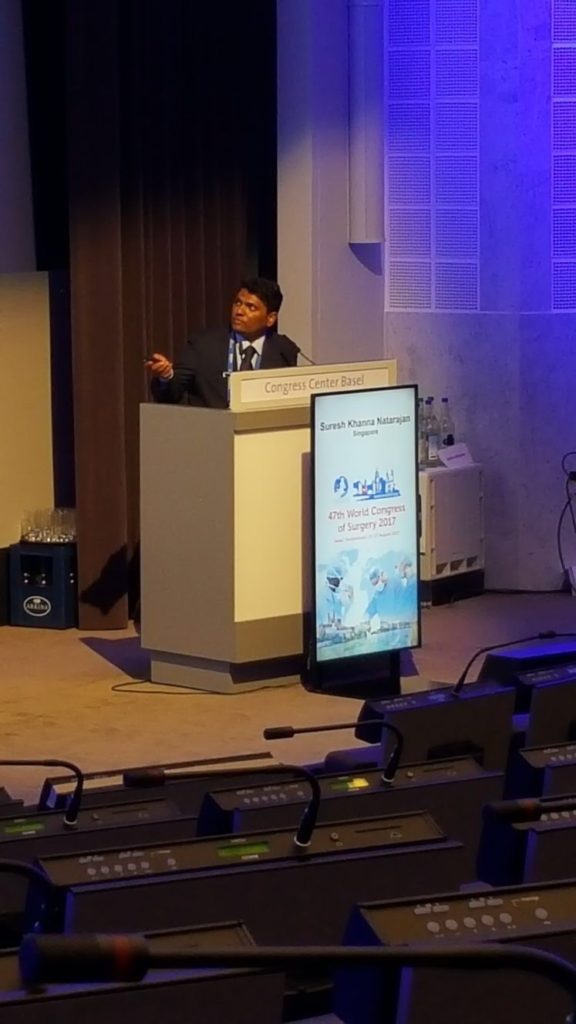
Why Consult with Dr Suresh?
Education
Dr. Suresh moved to Singapore in 2013 to work in the Hepato-pancreato-biliary (HPB) service, Department of Surgery, Khoo Teck Puat Hospital. Subsequently he was selected for the ACGME-i accredited General Surgery training in the NHG Residency Program in July 2014. He was awarded M.Med Surgery by the National University of Singapore (NUS) in 2018. During his residency training in Singapore, he received the Young Investigator Award for Clinical Research in 2017.
Practice
He completed General Surgery residency training (MS Surgery) in Stanley Medical College, India – also with scholarships and awards. He was the Chief resident in the program and was the editor of the college newsletter. Later he worked as Consultant Surgeon and Assistant Professor of Surgery in India, teaching medical students, dental students and nursing students, before moving to Singapore.
Passion
Dr. Suresh has a great passion for Laparoscopic surgery. He has trained in several such workshops and has also completed the intensive laparoscopic surgery training course in IRCAD Taiwan. He was awarded the Diploma in Laparoscopic Surgery by the University of Strasbourg, France. He was accredited for endoscopy since 2018 and is considered as one of the skillful endoscopists in KTPH and TTSH hospitals.
Empathy
He has genuine concern and compassion for his patients, and hence is considerate and kind towards them. He feels strongly about educating his patients about their health condition and about the intricate details of the procedure. This empowers them that they can make independent informed decisions about their own health. He is regarded with respect among his peers and gets along well. He is fluent in English, Tamil (native) and Hindi (native) and can speak limited French and Telugu.
Awards



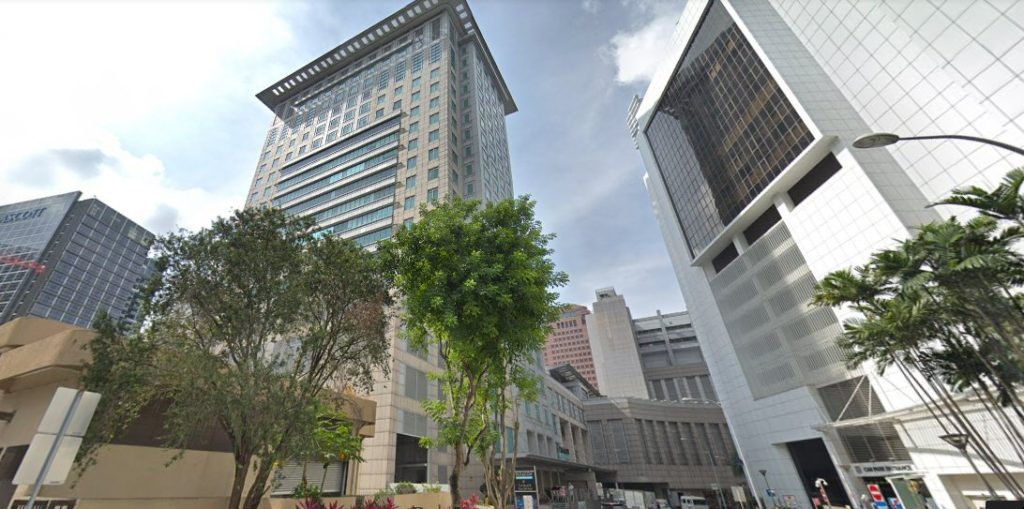
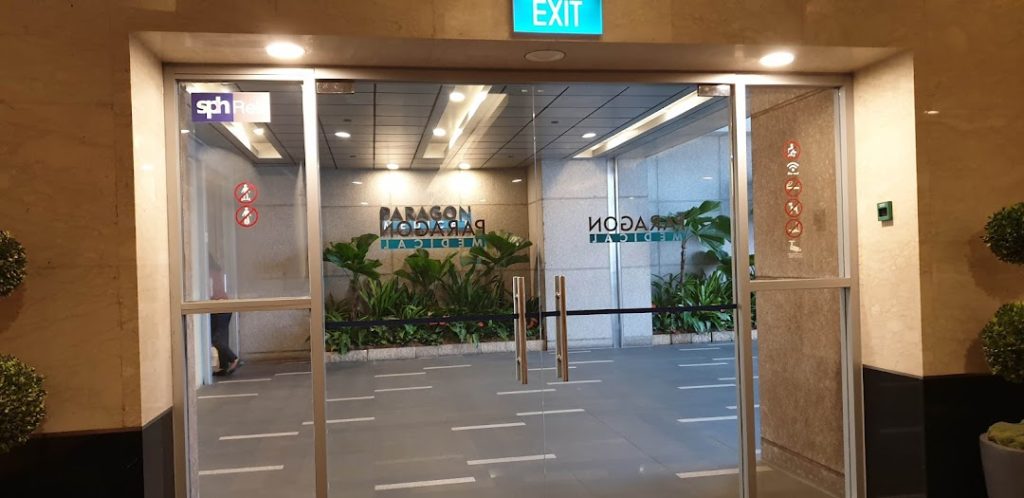
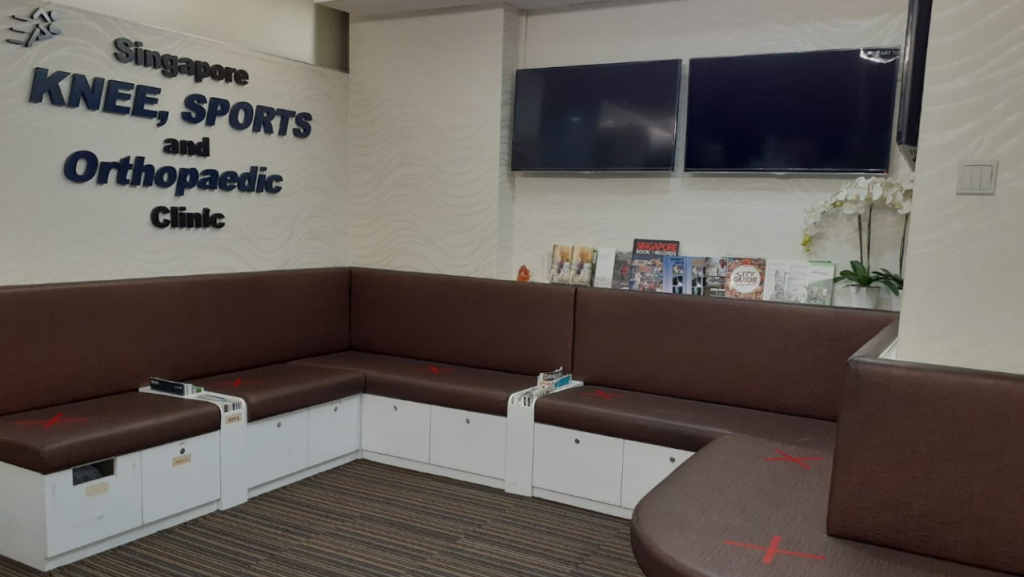
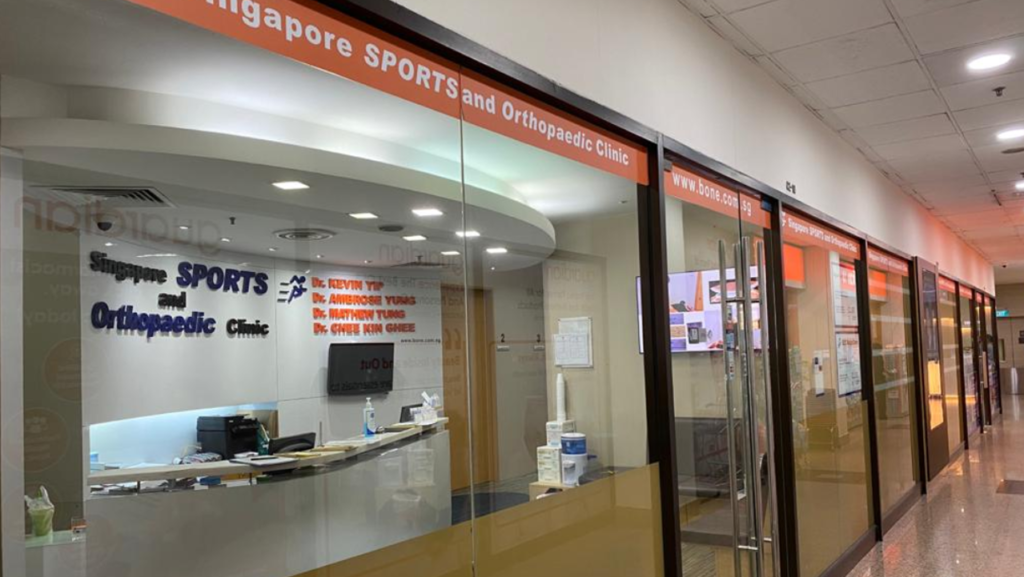
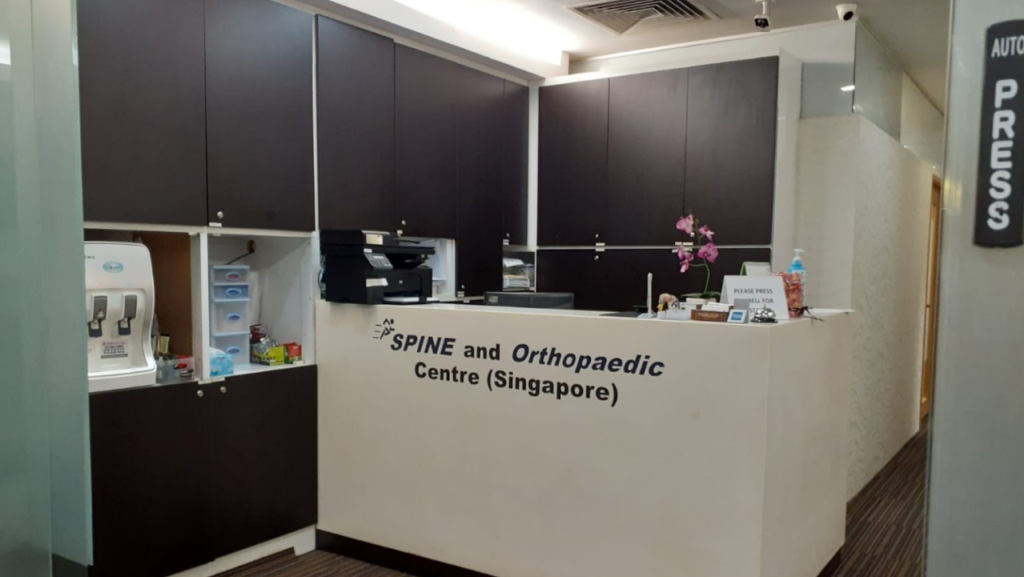
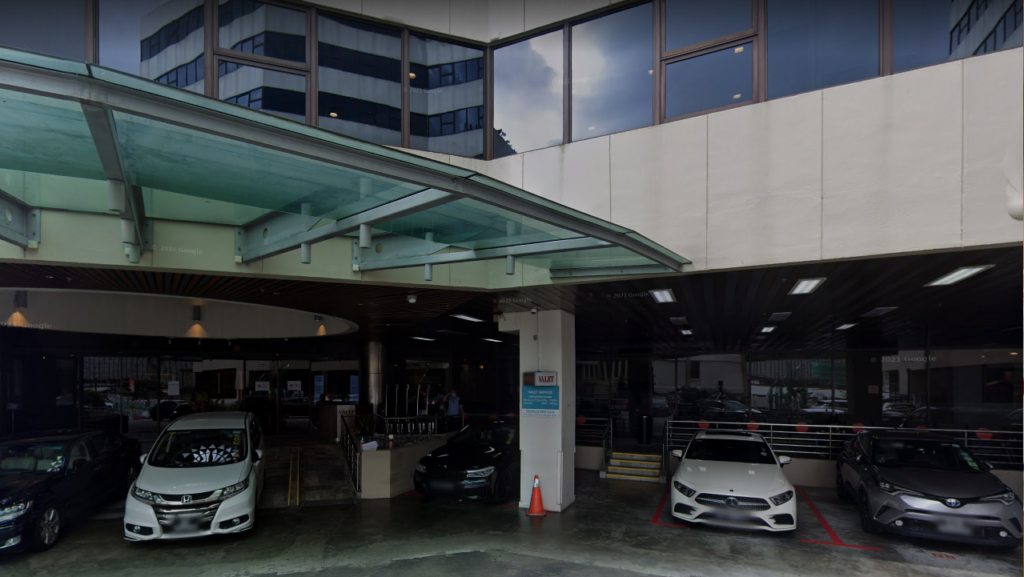
Visit Us
Enquire now
Whatsapp us
Yes, we do offer consultation and treatment.
For enquiries, please call us at +6566532981
Opening Hours
We are available Monday to Friday 9:00 AM – 5:00 PM and Saturday 9:00 AM – 1:00 PM
Get in touch
PHONE : +6566532981
EMAIL : giwebsiteofficial@gmail.com
Frequently Asked Questions
A flexible tube is used to examine the colon and rectum’s interior lining. Biopsies are also possible using this technology.
If you have symptoms that point to a problem with the colon or rectum, your doctor may propose that you have a colonoscopy. Bleeding, changes in bowel habits and other unexplained stomach problems are also possible signs.
For people with IBD or polyps, a colonoscopy may also be performed to check their condition and for those with a history of colon cancer or polyps.
Colorectal cancer screenings such as colonoscopies are doubly preventive since they do more than only identify the disease at an early stage. Detecting and eliminating any pre-cancerous polyps, the abnormal growths that are the precursors of colorectal cancer may help avoid the illness.
It is also used to identify Crohn’s disease and ulcerative colitis, as well as to establish the reason for symptoms such as rectal bleeding, changes in bowel activity as well as stomach discomfort and unexplained weight loss.
During a colonoscopy, your healthcare practitioner may examine for any issues with your digestive system. Cancer-related symptoms such as redness, swelling, and the bleeding should be suspected in the early stages of a disease.